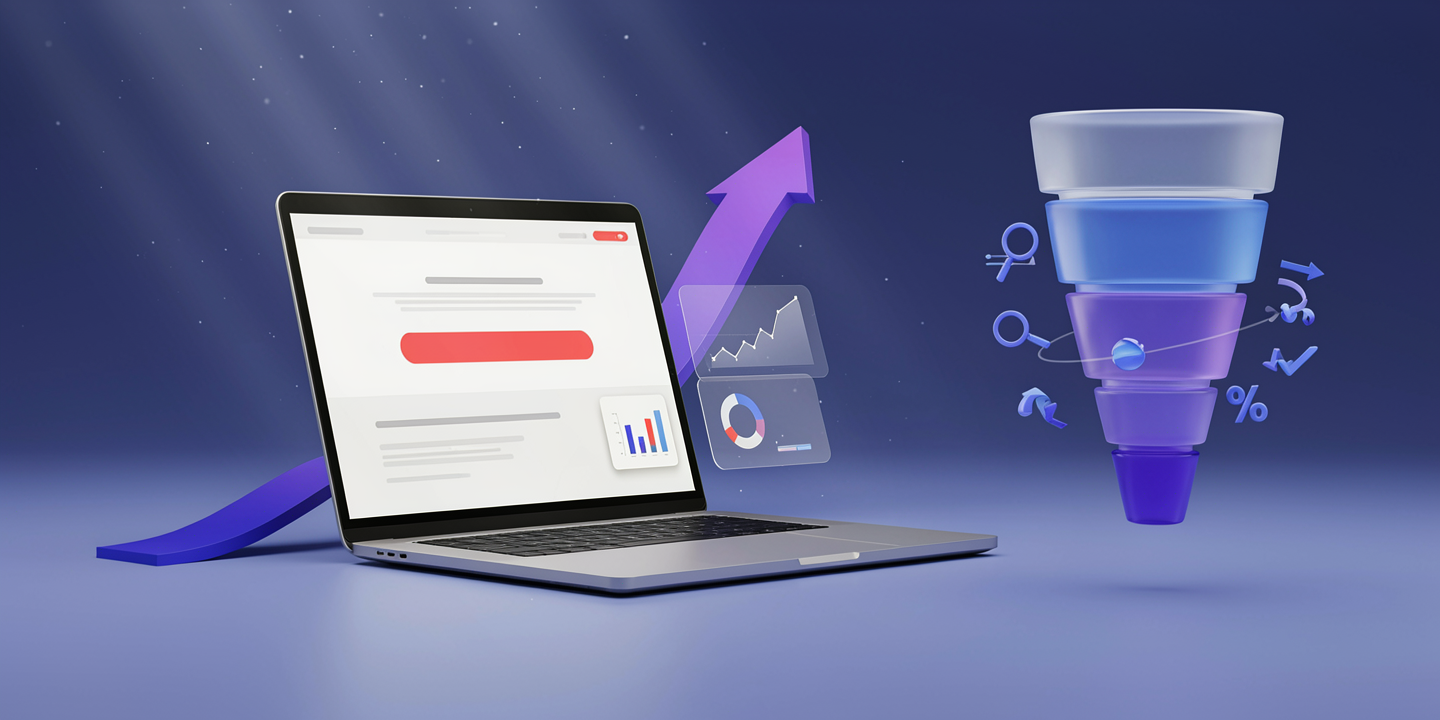
Conversion rate optimization focuses on helping more website visitors complete a meaningful action, such as purchasing, requesting a quote, booking an appointment, subscribing, or starting a trial. It doesn’t mean manipulating people into clicking.
Good CRO reduces confusion and makes the next step easier for visitors who already have a legitimate reason to consider the offer.
Start With the Visitor’s Main Question
Every page should make its purpose clear quickly. A visitor needs to understand what is being offered, who it is for, and what action comes next.
Strong headlines, focused copy, clear navigation, and visible calls to action can help. Pages become harder to use when several competing messages demand attention at once.
Teams studying online persuasion patterns can also examine how credibility and social signals affect decision-making without turning the page into aggressive sales copy.
Remove Unnecessary Decisions
More options aren’t always better. Too many plans, buttons, fields, banners, pop-ups, and menu choices can slow decision-making.
Simplifying the path can improve clarity even before major redesign work begins.
Find Where Visitors Drop Out
Analytics can show where people enter, which pages they view, and where they leave. Funnel data may reveal that visitors reach a product or signup page but abandon the process before completion.
Businesses exploring conversion revenue analysis should connect page improvements to commercial outcomes rather than relying on surface metrics.
| Problem | Possible Friction | Test Direction |
|---|---|---|
| Low form completion | Too many fields | Shorten the form |
| Cart abandonment | Unexpected costs | Show costs earlier |
| Low CTA clicks | Weak message | Clarify the benefit |
| High page exits | Poor relevance | Match visitor intent |
Build Trust at Decision Points
Visitors often hesitate because they lack information, not because they need stronger persuasion. Shipping details, refund policies, service processes, security explanations, testimonials, guarantees, and contact options can reduce uncertainty.
Trust elements should appear where doubts naturally arise. A return policy buried in the footer may not help someone deciding whether to place a $200 order.
Specific proof usually works better than vague claims such as “industry-leading service.”
Test Changes With a Clear Hypothesis
Randomly changing button colors isn’t a CRO strategy. A useful test begins with a reason.
For example, if visitors abandon a quote form because it requests too much information, a shorter form can test whether reduced effort increases submissions. Teams considering broader campaign performance planning can connect these experiments with traffic sources and promotional activity.
Measure enough data before drawing conclusions, especially on lower-traffic websites.
Where Conversion Optimization Can Backfire
CRO becomes counterproductive when businesses chase short-term clicks at the expense of customer trust. Countdown timers with no real deadline, hidden fees, misleading buttons, or difficult cancellation processes may increase one metric while damaging the relationship.
Another mistake is optimizing every visitor toward the same action. Someone researching a complex service may need useful information before being ready to request a sales call.
Frequently Asked Questions
What is a good website conversion rate?
There is no single rate that fits every business. Conversion rates vary by industry, traffic source, price, device, offer, customer intent, and the action being measured. Compare performance against your own historical data and business economics.
What should a business test first in CRO?
Start with obvious friction near important conversion points. Forms, checkout steps, calls to action, pricing explanations, product information, page speed, and trust concerns can offer more useful opportunities than cosmetic changes.
Does more website traffic improve conversion rates?
Not automatically. Additional traffic can lower the overall conversion rate if visitors are poorly matched to the offer. CRO and traffic acquisition work better when the marketing source attracts people with relevant intent.
Fix Friction Before Chasing More Traffic
Conversion rate optimization can make existing traffic more productive by removing obstacles between interest and action. Study where visitors hesitate, identify a clear reason for the problem, test a focused improvement, and measure the result. Often, the fastest growth opportunity is already on the website rather than in another advertising campaign.